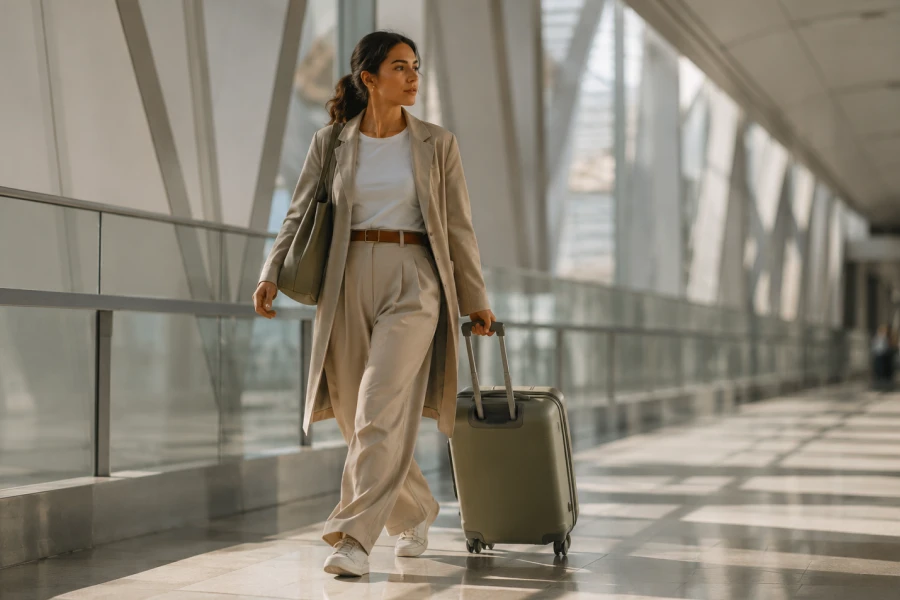
Efficient travel luggage begins with decisions made before anything touches the bed, floor, or packing cubes. Many travelers start by grabbing favorite items, then try to make them fit. That creates clutter fast. A better method starts with the destination, schedule, climate, transportation, and baggage rules. Once those details are clear, the suitcase becomes easier to build. You pack for actual use, not imagined situations. You also reduce the physical drag that comes from carrying too much. This matters on stairs, trains, buses, crowded airports, and long hotel walks. Smart luggage planning gives the entire trip a smoother start.
The wrong bag can make even smart packing feel difficult. A heavy suitcase, awkward backpack, or poorly divided carry-on creates problems during the whole trip. Bag choice should match the transportation style and destination terrain. A travel packing system helps travelers compare those needs before selecting luggage. Wheels may suit airports and hotels. A backpack may suit stairs, trains, and uneven streets. Interior compartments can reduce mess. Lightweight materials can save energy. The best bag quietly supports the route instead of demanding constant attention.
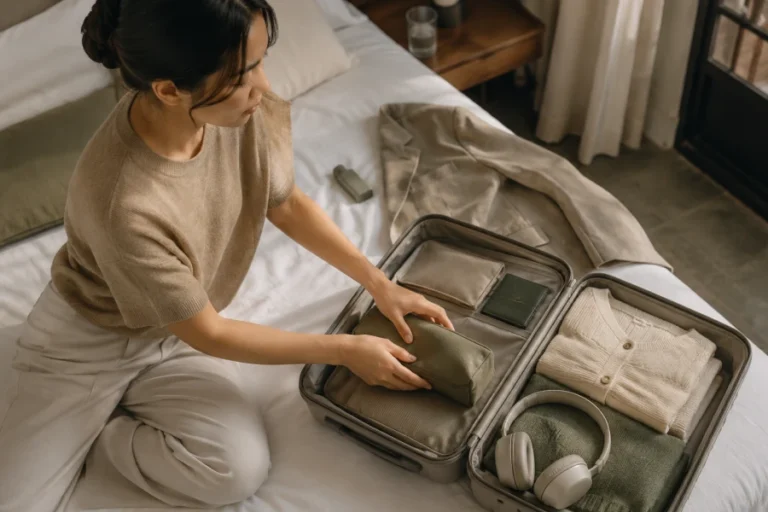
Zones turn a suitcase into a system. Clothes, toiletries, electronics, documents, shoes, laundry, and comfort items should each have a predictable place. This prevents the frustrating search that happens when everything is mixed together. A luggage organization plan makes those zones easy to maintain. Packing cubes, pouches, and small bags can help, but the logic matters more than the accessories. You should know where each category lives. That saves time in hotels. It also helps during security, overnight stops, and repacking. Order becomes part of the travel experience.
Clothing usually creates the most luggage bulk. Travelers pack extra outfits because they hope for options, yet many pieces never get worn. Outfit planning changes that pattern. It groups garments by actual days, activities, and weather. A minimalist luggage planner can help you build combinations that repeat well without feeling boring. One jacket can serve several looks. One comfortable shoe can handle most walking days. A smaller color palette reduces decision fatigue. The suitcase gets lighter. The travel wardrobe becomes more dependable because every item earns its place.
Carry-on items should support the hours when checked luggage is unavailable. That includes documents, medication, electronics, chargers, valuables, basic toiletries, and one small emergency layer. A practical carry-on packing strategy keeps those items accessible. It also prevents the carry-on from becoming a second overloaded suitcase. The goal is not to stuff every backup into one bag. The goal is to protect the essentials. When boarding, connecting, or arriving late, that organization matters. It keeps important items close and reduces travel-day anxiety.
Small items create more chaos than their size suggests. Cords, jewelry, medicine, receipts, lip balm, keys, sunglasses, and adapters can disappear easily. Travelers need a rule for where these items live. A pouch system works well because it keeps tiny essentials grouped by purpose. An efficient packing method also prevents duplicate small items from sneaking in. You do not need three chargers if one reliable setup works. You do not need scattered toiletries in five pockets. Simple rules keep the suitcase calm. They also make repacking faster every morning.
A good luggage system should work on the way home too. Dirty laundry, souvenirs, receipts, and used toiletries need space before the return trip begins. Without that plan, the suitcase becomes messy fast. A smart packing list can include return-home categories from the start. That makes the final night less stressful. It also protects fragile purchases and keeps clean items separate. Travelers often judge packing only by departure. The better test is whether the system survives the whole trip. Efficient luggage should make arrival home easier, not harder.
The most effective suitcase is not necessarily the smallest one. It is the one that matches your trip and stays organized through every transfer. Planning turns luggage into a support system instead of a source of drag. You move faster, search less, and feel more prepared. With international travel essentials placed thoughtfully, the bag becomes both lighter and more reliable. That reliability matters in airports, hotels, taxis, and unfamiliar streets. Good packing does not remove every challenge. It simply gives you fewer things to fight while traveling.



Leave a comment
You must be logged in to post a comment.