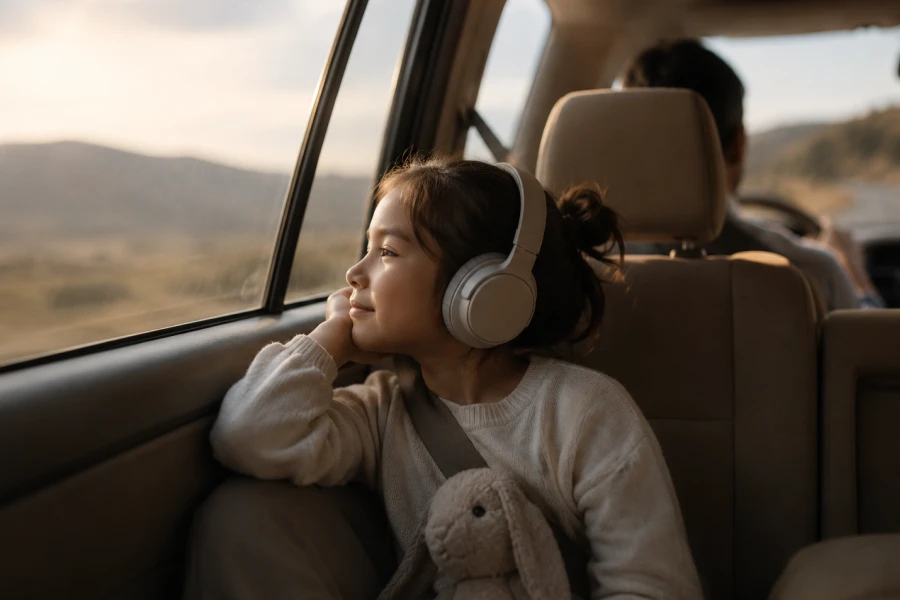
Calm travel with kids becomes most important when the novelty of the trip starts to fade. The first hour may feel exciting, but long travel days test everyone differently. Children may become restless, hungry, sleepy, or overstimulated. Parents may feel pulled between driving, navigating, answering questions, and keeping the peace. Calm does not come from expecting children to behave like adults. It comes from preparing for their real needs. A thoughtful travel system gives the day rhythm. It also gives parents tools before stress peaks. When the family feels supported, the longest stretch becomes much easier to handle.
Predictability helps children feel safe during unfamiliar travel days. They do not need every detail, but they benefit from knowing the basic pattern. Parents can explain when the family will stop, eat, play, rest, and arrive. A road trip routine makes that pattern easier to repeat. It also reduces repeated questions because children understand the flow. Predictability does not make the trip boring. It makes the unknown feel manageable. When kids know what comes next, they often cope better with waiting. That helps adults stay calmer too.
Long drives can be loud, cramped, bright, and physically frustrating. Children may not explain sensory overload clearly. They may simply argue, cry, kick seats, or refuse activities. A thoughtful family travel plan includes breaks that reset the body. Fresh air, movement, quiet, stretching, and bathroom time can prevent bigger reactions. Parents should also notice signs of overload before the meltdown arrives. A calmer child often needs less entertainment, not more. Lowering the stimulation can help. So can changing the environment for a few minutes.
Hunger can make a calm child suddenly impossible to please. Dehydration can create headaches, fatigue, and irritability. That is why food planning is more than convenience. It is emotional support for the whole car. Balanced travel snacks for kids should be easy to reach and simple to clean. Parents can mix protein, fruit, crackers, water, and small treats. The goal is steady energy. It also helps to avoid messy foods during difficult driving stretches. A predictable snack rhythm can prevent many avoidable conflicts before they begin.
Transitions are often harder than the actual drive. Leaving a rest stop, getting back into car seats, stopping an activity, or arriving somewhere new can trigger resistance. Parents can make transitions easier by giving short warnings and clear choices. A kids travel organization setup also helps because items return to familiar places. Children know where their water, toy, blanket, or headphones belong. This reduces searching and arguing. Small routines create smoother movement between stages. The family spends less energy restarting after every pause.
Many parents treat quiet time as something that may or may not happen. It works better when it is planned gently. After lunch, after a long stop, or during a familiar highway stretch, the family can shift toward calmer activities. Soft music, audiobooks, window watching, drawing, or rest can help. A family road trip organizer can include these quieter blocks. That prevents the entire day from running on stimulation. Kids need slower moments to reset. Adults need them too. A calm car is often created by intentionally lowering the pace.
Children often borrow emotional cues from adults. If parents sound rushed, irritated, or panicked, kids may become more reactive. This does not mean adults must be perfect. It means their tone, pacing, and expectations matter. A calm road trip strategy supports parents as much as children. It reduces last-minute decisions and creates more patience. Adults can pause before reacting. They can adjust the plan without feeling defeated. That steadiness helps the whole car recover faster. Calm travel starts with systems, but it continues through adult leadership.
Long family travel days will always include imperfect moments. Someone may spill a snack, resist a stop, ask repeated questions, or need an unexpected break. The goal is not flawless behavior. The goal is a structure that helps everyone recover quickly. Families can create calm through predictable routines, thoughtful snacks, sensory breaks, organized supplies, and flexible expectations. Helpful travel planning for parents turns those ideas into practical steps. The road may still be long. It simply feels less overwhelming when the family has a plan.




Leave a comment
You must be logged in to post a comment.